Multi-Touch Sales Cadence: How Structured Nurture Improves Conversion
A multi-touch sales cadence is the difference between hoping a prospect responds and engineering pipeline.
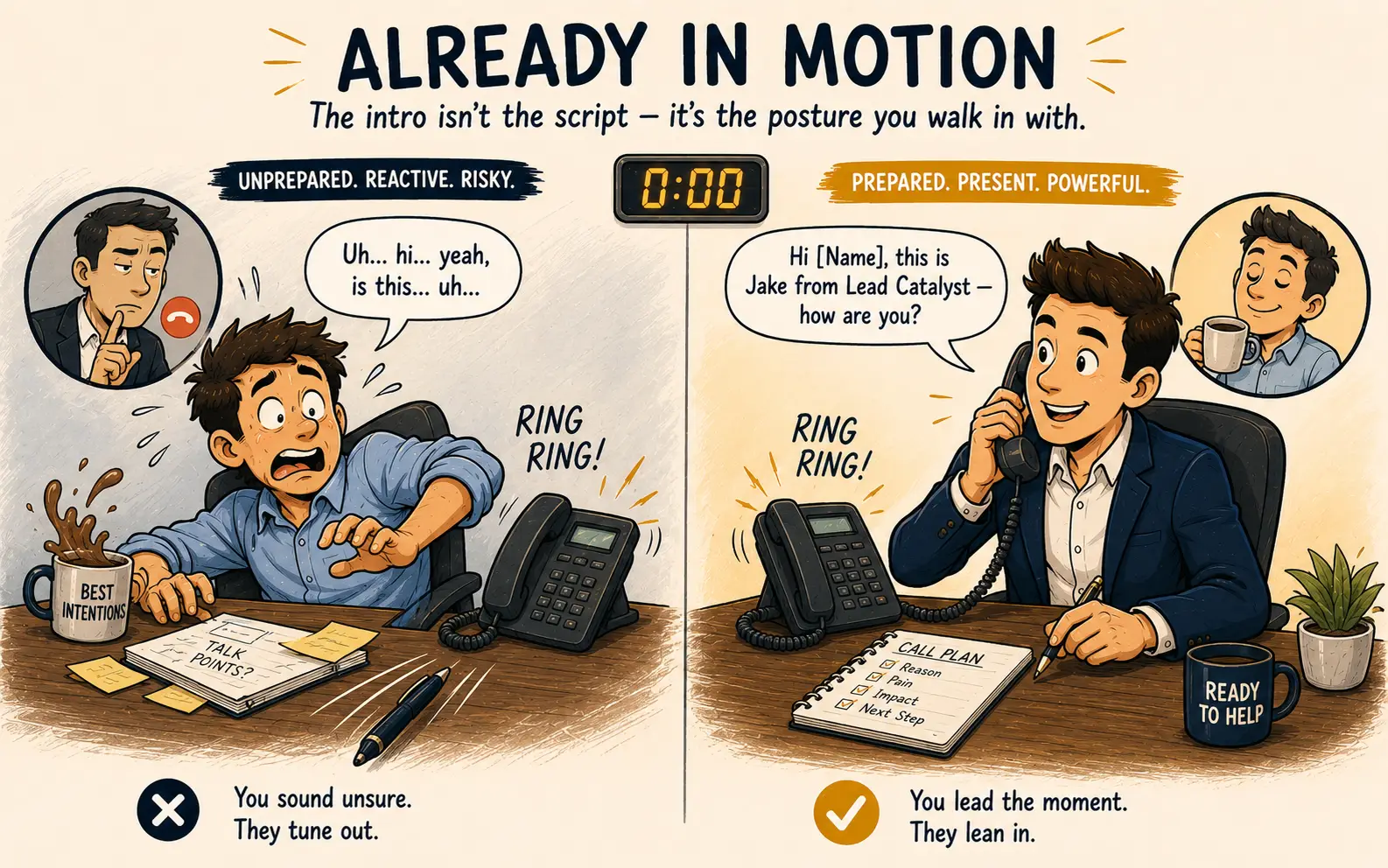
Most outbound efforts underperform for one predictable reason: they stop too early. One call. One email. Maybe a LinkedIn message. Then silence.
When conversion depends on catching someone at the perfect moment, performance will always feel inconsistent. Structured nurture changes that dynamic. That is where data-driven outbound sales separates disciplined systems from reactive campaigns.
Why Most Outreach Dies Too Early
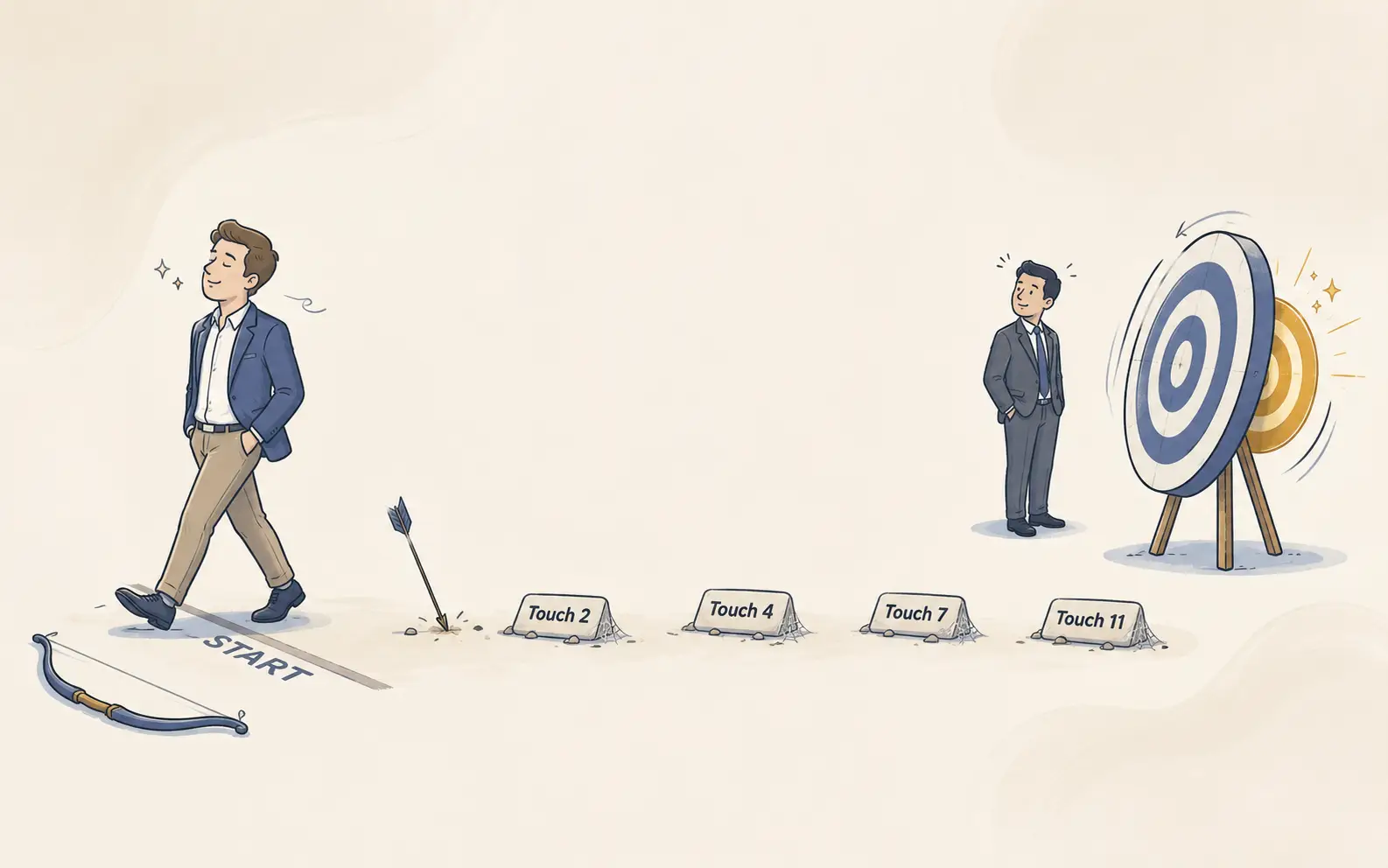
Prospects rarely convert on the first interaction. They are busy, distracted, and evaluating priorities. Silence does not automatically mean disinterest.
Without a multi-touch sales cadence, reps interpret lack of response as rejection. In reality, it is often timing combined with insufficient relevance.
Structured nurture protects opportunities that would otherwise disappear because it assumes normal buying behavior instead of idealized responsiveness.
What a Multi-Touch Sales Cadence Actually Is
A multi-touch sales cadence is a predefined sequence of outreach across channels over a structured timeframe.
It typically includes:
Phone calls
Personalized emails
LinkedIn engagement
Follow-up touches
Recycling timelines
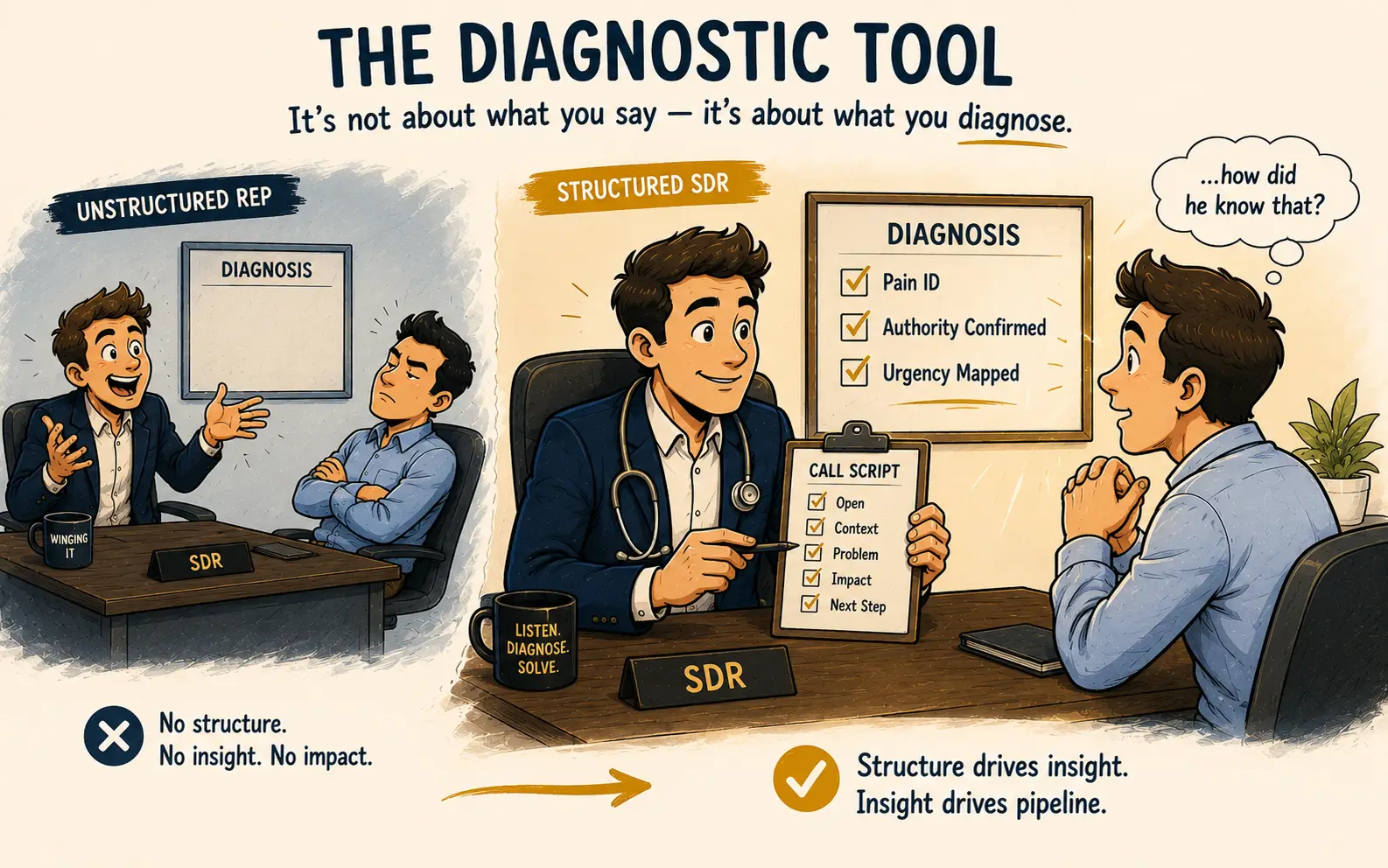
The critical word is structured. Random follow-up is not a cadence. It is improvisation.
Data-driven outbound sales defines timing, messaging progression, and measurable checkpoints throughout the sequence. That structure stabilizes conversion performance over time.
Why Channel Variety Matters
Different prospects respond to different channels.
Some ignore calls but reply to emails. Others respond only after seeing a LinkedIn touch. A multi-touch sales cadence ensures you are not relying on a single path to engagement.
However, channel variety alone does not improve conversion. Messaging must evolve throughout the sequence.
Early touches introduce relevance. Mid-sequence touches reinforce context. Later touches may reference social proof or timing.
When nurture becomes strategic rather than repetitive, engagement improves.
The Role of Data-Driven Outbound Sales
A structured cadence without measurement still relies on intuition.
Data-driven outbound sales evaluates:
Connect rates by touch number
Response rates by channel
Meeting conversion by segment
Recycling effectiveness
This allows teams to identify where performance drops and where engagement increases.
Now you are not simply “following up.” You are optimizing timing and sequencing based on evidence. That is how a multi-touch sales cadence matures from activity to infrastructure.
At Lead Catalyst, nurture integrates directly with LIST, MESSAGE, NURTURE, KPIs, DATA, and QUALITY ASSURANCE because consistency produces predictable pipeline growth.
How Structured Nurture Strengthens Objection Handling
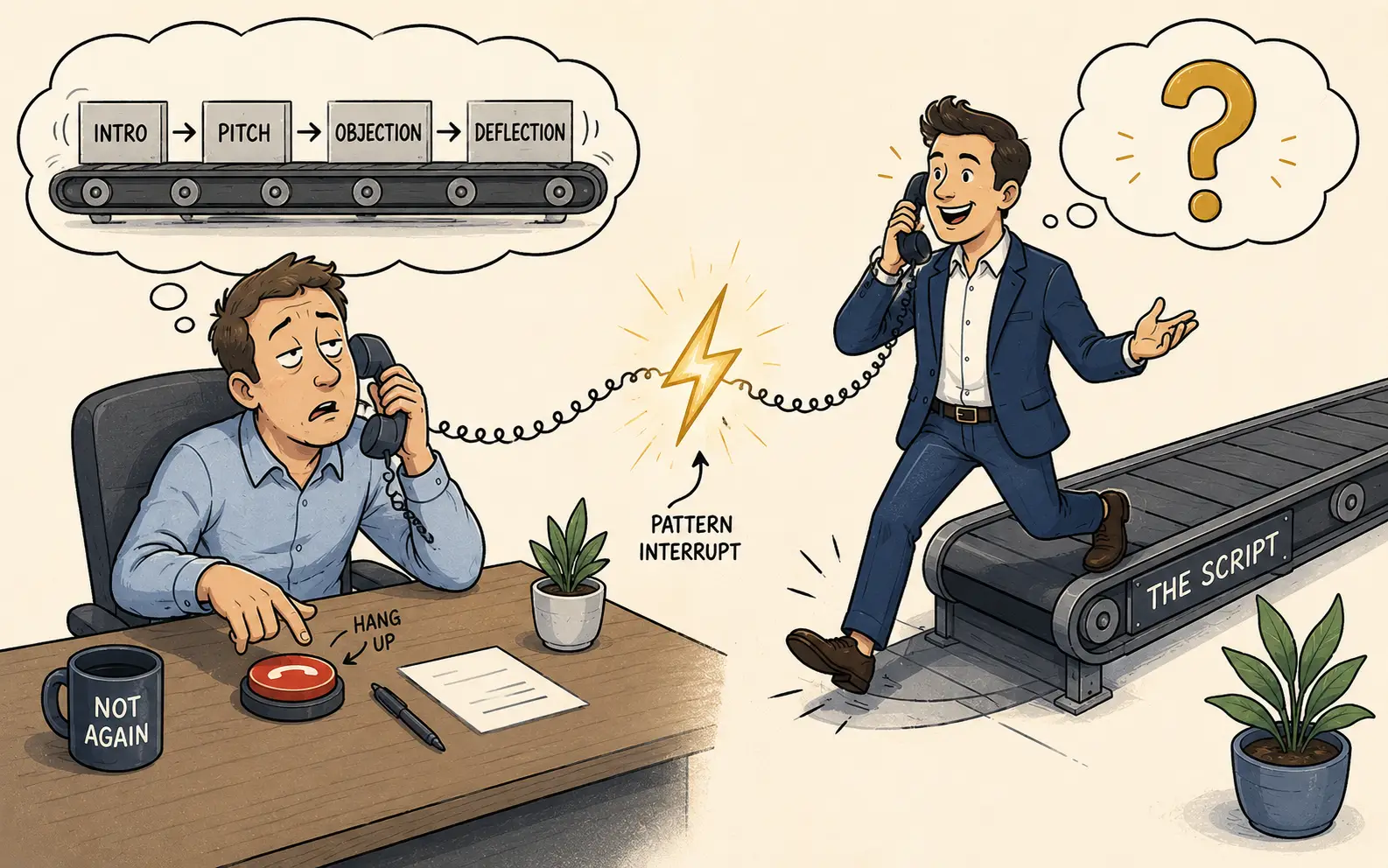
A strong cadence reinforces your sales objection handling strategy in two meaningful ways.
Second, follow-up creates space to refine messaging over time. If a prospect says “not now,” structured nurture ensures re-engagement is planned rather than abandoned.
A disciplined progression might look like:
Touch 1: Establish relevance Touch 3: Reference industry-specific pain Touch 5: Introduce a brief proof point Touch 7: Revisit timing and urgency
Instead of reacting emotionally to objections, your team responds systematically over time.
Signs Your Cadence Is Too Weak
If you observe the following patterns, your multi-touch sales cadence likely lacks structure:
Low re-engagement rates
Opportunities are disappearing after one call
Inconsistent follow-up behavior across reps
Meetings dependent on lucky timing
Outbound should not depend on catching someone on a good day. It should account for predictable buyer hesitation and decision cycles.
How to Build a Strong Multi-Touch Sales Cadence
Start with clarity.
Define:
Total cadence length
Number of touches
Channel mix
Messaging evolution by stage
Recycling timelines
Then measure performance at each stage.
Data-driven outbound sales allows you to refine:
Which touches drive response
Where engagement declines
How objections evolve across time
This transforms nurture from busywork into a pipeline multiplier.
Frequently Asked Questions
What is a multi-touch sales cadence?
A multi-touch sales cadence is a structured sequence of outreach attempts across multiple channels designed to increase engagement and meeting conversion.
How many touches should a cadence include?
Most effective cadences range between 8 and 15 touches over several weeks, depending on industry complexity and deal cycle length.
How does data-driven outbound sales improve nurture?
By measuring response rates, timing effectiveness, and conversion by segment, teams can refine cadence structure rather than rely on assumptions.
Does structured nurture annoy prospects?
Repetitive, irrelevant follow-up does. Structured, context-driven outreach aligned with buyer pain builds familiarity and credibility.
Your Multi-Touch Sales Cadence
Pipeline does not grow because you reached out once.
It grows because you followed up intentionally.
A multi-touch sales cadence protects opportunity from normal buying inertia. Data-driven outbound sales ensures that cadence improves over time.
Lead Catalyst builds structured nurture systems that convert “not now” into “let’s talk.”