Why Your Inbound Leads Go Cold (And How a Structured Nurture System Fixes It)
A multi-touch sales cadence is often the missing piece between inbound interest and actual revenue. Inbound leads don’t usually “go cold.” They go unmanaged.
Someone downloads a guide. Requests pricing. Books a demo. There’s initial excitement.
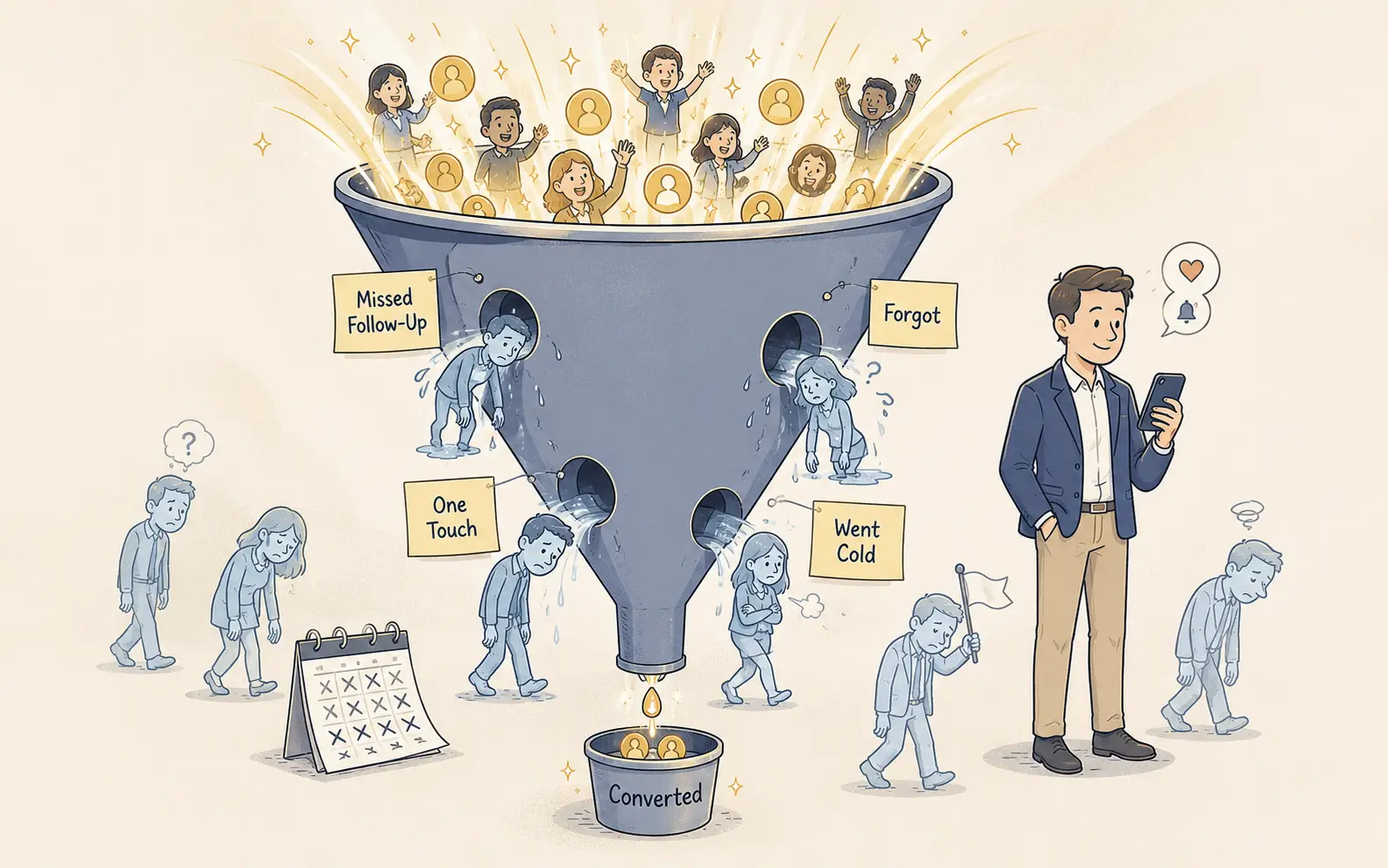
Then follow-up gets inconsistent. Messaging gets reactive. Timing gets missed. And suddenly the lead is labeled “cold.”
That’s not a lead quality issue. That’s a structure issue.
Why Inbound Leads Lose Momentum
Inbound creates awareness and intent. It does not guarantee urgency.
Prospects still need:
Reinforcement
Context
Relevance
Timing alignment
Without a structured multi-touch sales cadence, follow-up depends on individual rep discipline.
Some leads get three touches, some get one. Hard truth: some get forgotten.
Hope is not a nurture strategy.
What a Multi-Touch Sales Cadence Actually Does
A multi-touch sales cadence ensures every inbound lead moves through a defined follow-up sequence.
Not random emails, reactive calls, or “just checking in.”
A structured cadence includes:
Defined number of touches
Channel variation
Messaging evolution
Objection handling checkpoints
Recycling timelines
This is where inbound stops feeling unpredictable and starts feeling engineered.
Why Speed Alone Isn’t Enough
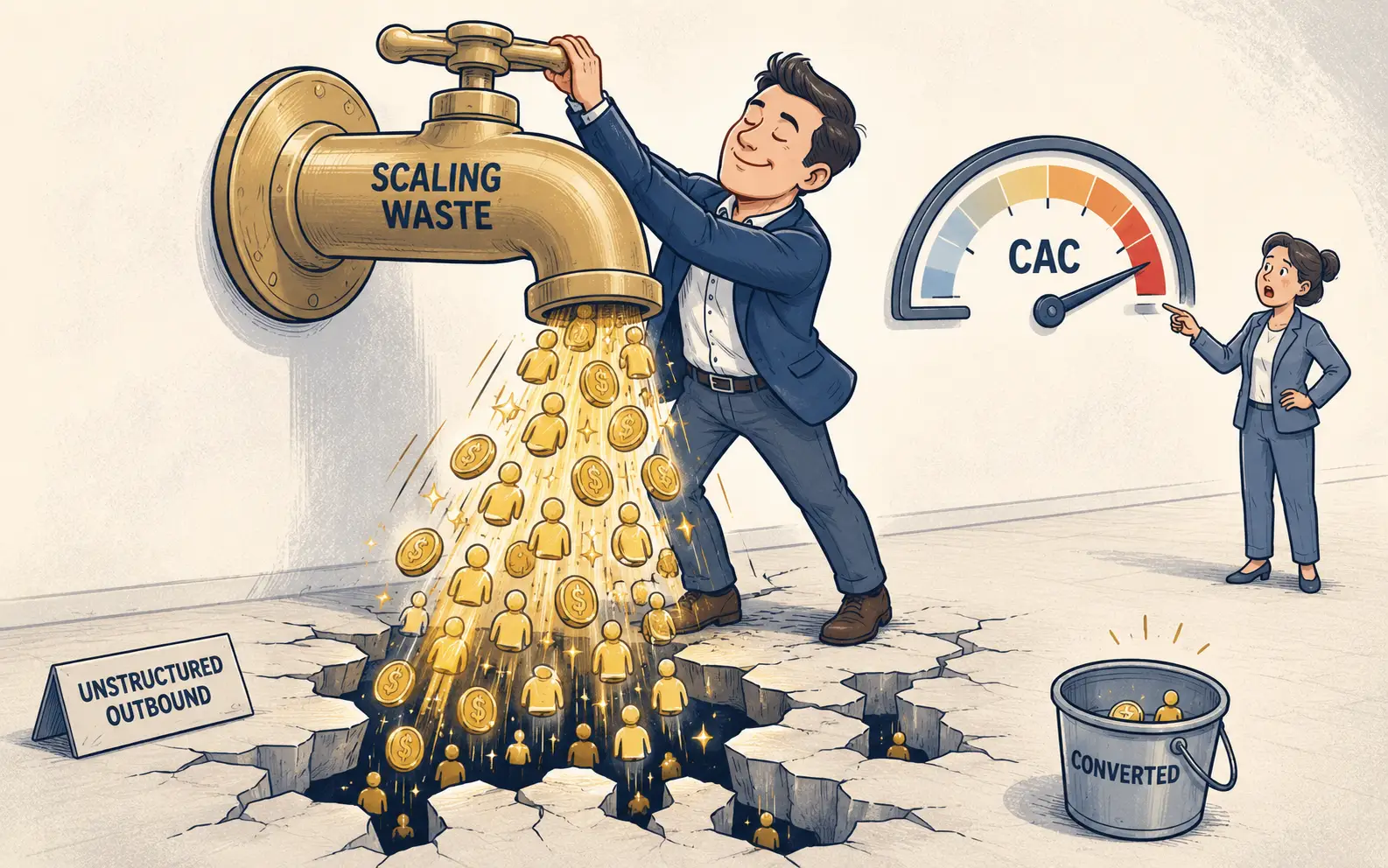
Most teams obsess over speed-to-lead. Speed matters. But speed without structure just accelerates inconsistency.
A rep might call quickly. But if there’s no multi-touch sales cadence behind that first contact, the follow-up falls apart.
Inbound leads don’t convert because you were fast. They convert because you were consistent.
Where a CRM Lead Activation Strategy Comes In
Even with strong inbound follow-up, not every prospect converts immediately.
Some stall due to:
Budget cycles
Internal priorities
Competing initiatives
Timing shifts
This is where a CRM lead activation strategy becomes critical.
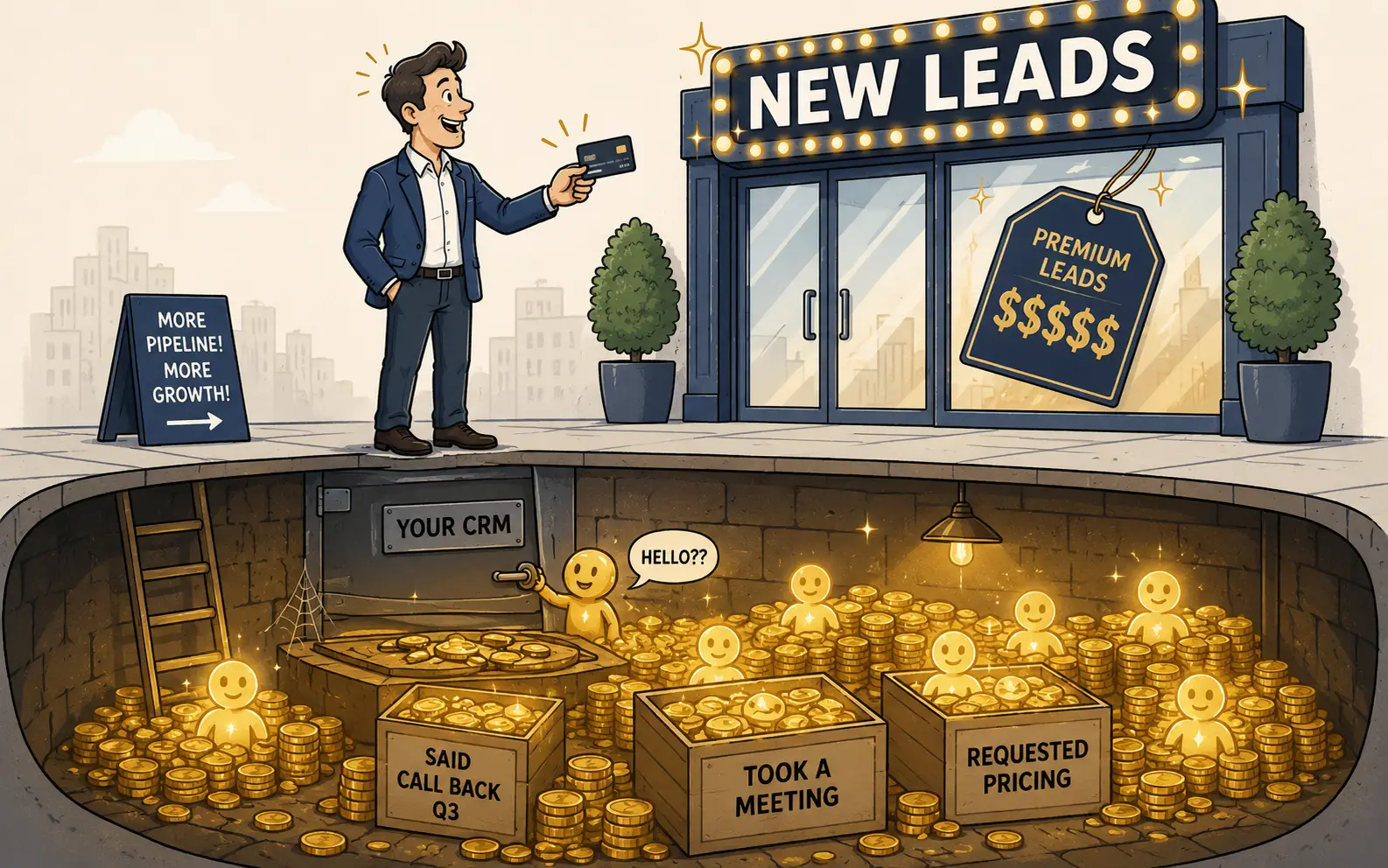
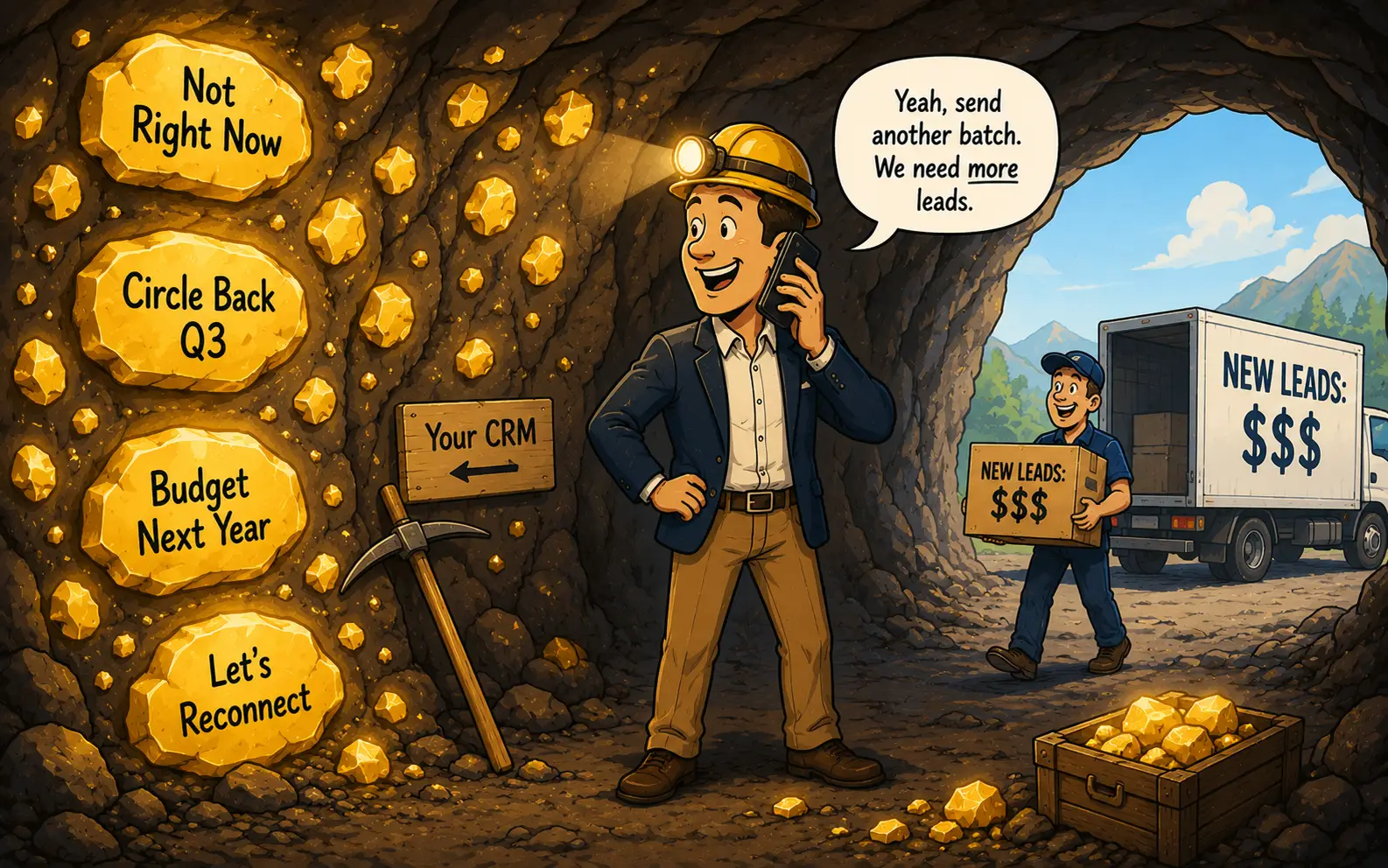
Instead of marking those leads “lost,” structured activation categorizes them by stall reason and re-engages them intentionally.
Touch one: Reference original inquiry. Touch two: Introduce updated proof or context. Touch three: Clarify timing directly.
That’s not chasing. That’s disciplined recycling.
The Cost of Letting Inbound Go Cold
When inbound isn’t supported by a multi-touch sales cadence:
Cost per lead rises
Sales cycles lengthen
Conversion rates drop
Forecasting becomes unstable
Marketing did its job. Sales didn’t protect the opportunity.
A structured CRM lead activation strategy closes that gap.
Because pipeline shouldn’t evaporate after first contact.
The Data Advantage of Structured Nurture
Data-driven outbound sales principles apply here too.
Measure:
Response rate by touch
Meeting conversion by timing
Stall reason frequency
Re-engagement rate
When your multi-touch sales cadence is measurable, you can optimize it, and optimization lowers waste.
Inbound should compound. Not decay.
Signs You Need a Nurture Reset
If you’re seeing:
High inbound volume but low conversion
Leads labeled “unresponsive” after one or two attempts
SDR variability in follow-up
Long gaps between touches
Your problem isn’t traffic. It’s nurture discipline.
A structured multi-touch sales cadence prevents inbound leads from fading due to inconsistency.
How to Build a Structured Inbound Nurture System
Step one: Define a standardized cadence length.
Step two: Script messaging evolution across touches.
Step three: Integrate CRM lead activation strategy for stalled accounts.
Inbound doesn’t require more effort. It requires better sequencing.
Frequently Asked Questions
What is a multi-touch sales cadence?
A multi-touch sales cadence is a structured sequence of outreach attempts across channels designed to increase engagement and meeting conversion.
Why do inbound leads go cold?
Inbound leads often lose momentum due to inconsistent follow-up, lack of structured nurture, and poor recycling processes.
How does a CRM lead activation strategy support inbound?
It re-engages stalled inbound prospects intentionally, preventing lost opportunities due to timing shifts.
How many touches should inbound leads receive?
Typically 8 to 12 touches across channels, depending on sales cycle complexity and buyer behavior.
Your Multi-Touch Sales Cadence
Inbound leads don’t go cold on their own. They cool off when the structure disappears. A multi-touch sales cadence protects momentum. A CRM lead activation strategy restores it when timing shifts.
If your inbound volume is strong but conversion feels unpredictable, the answer probably isn’t more traffic. It’s better sequencing.
Lead Catalyst builds structured nurture systems that turn interest into infrastructure.